
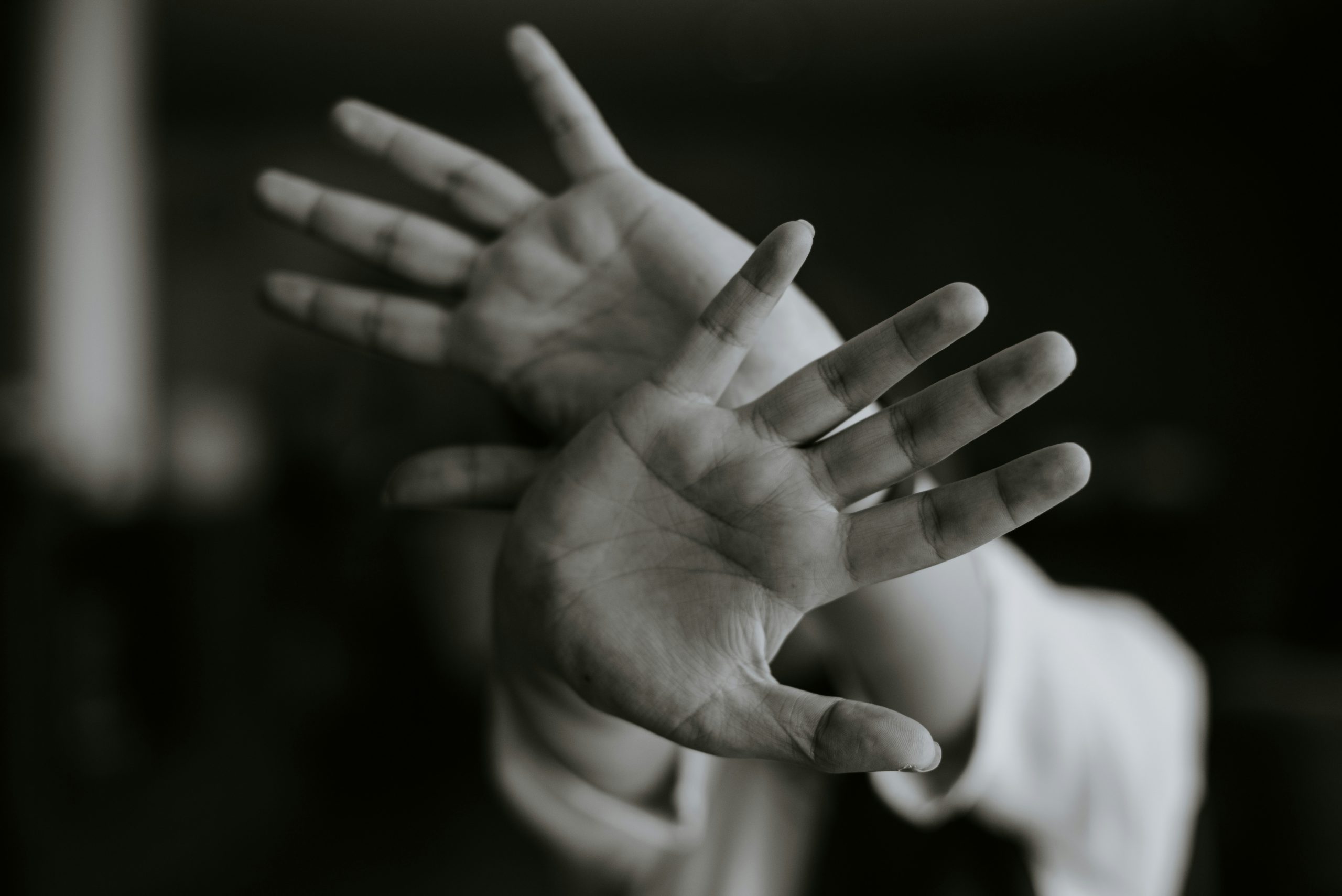
Photo by M.T ElGassier on Unsplash
Last newsletter I was thinking about the concept of trauma and introduced the idea of sensory trauma. In this newsletter, I am going to look in more detail at sensory trauma. Again, this was sparked from attending the Star Institute 2025 Virtual Summit: Neurodiversity Affirming Practice. The main reference for this newsletter is ‘Sensory Trauma: autism, sensory difference and the daily experience of fear’
“Imagine having no choice but to zoom in on life. The trash dumpster whose rancid odours assault you from across the parking lot. The (false) car alarms in that same parking lot. The children screeching at random. The split ends in someone’s hair. The posters on the walls at school. The artificial scents at the mall. Dogs barking, at that perfect frequency that makes you cringe. Chairs being dragged across linoleum floors. The (confining, constraining, or scratchy) feeling of your clothes on your body. That phantom creepy-crawly itch on your hand that isn’t relieved by scratching and only reappears a few minutes later. The draft of air around your neck (I have a really long neck).
It’s like a sensory attack. No wait–it is a sensory attack. Instant overload, from which there is no escape. But what is one supposed to do when that “fight or flight” old-brain is overactive, due to constant bombardment, and (…) it sees everything and everyone as a threat? It takes a lot of effort and energy to constantly suppress that firm-wiring and “measure up” to society’s expectations. It’s like we live in a perpetual defence mode every time we leave the boundaries of our sanctuary.” Laina
All day we are being bombarded with sensory information from the environment and from within our bodies. Everyone will respond differently to that sensory information. For neurodivergent people, they may well have a different response to neurotypical people. Research suggests that between 80 to 95% of autistic people experience sensory processing differences that impact on their daily life. Everyday ordinary activities may be experienced as terror, danger, assault and attack. Temple Grandin stated that “fear is the main emotion in autism”
Sensory trauma may come from everyday ordinary activities
These sensory experiences are experienced as physically or emotionally harmful or life threatening but they happen in everyday life such as getting dressed, washing your hair, going shopping, sitting in a classroom. Contrary to extreme events that are typically associated with the experience of trauma, such as abuse, violence, war, violence. Fuller and co (2020) would argue though that there are still forms of trauma.

Sensory trauma is latent in the environment
We live in everchanging and unpredictable environments. The potential for sensory trauma may be there all the time. The individual does not feel safe in their environment and may constantly on the alert, scanning for potential threats.
Sensory trauma may be experienced frequently over the course of the day
These events don’t just happen once a day. There is frequent exposure to sensory experiences and trauma throughout the day.
Sensory trauma is unavoidable
We experience sensory input all day. Sensory input is the only way information gets into our brain. It cannot therefore be avoided, and the effects of sensory trauma are experienced in any place at any time during the day.
Sensory trauma may go unrecognised or be misidentified
Neurodivergent people may experience sensory experiences very differently to neurotypical people. They may not be believed; their reaction may seem over the top. They may well be misunderstood, their reaction to sensory input but be deemed to be ‘challenging behaviour’.